Yoga for Beginners: 10 Easy Poses to Start Your Practice
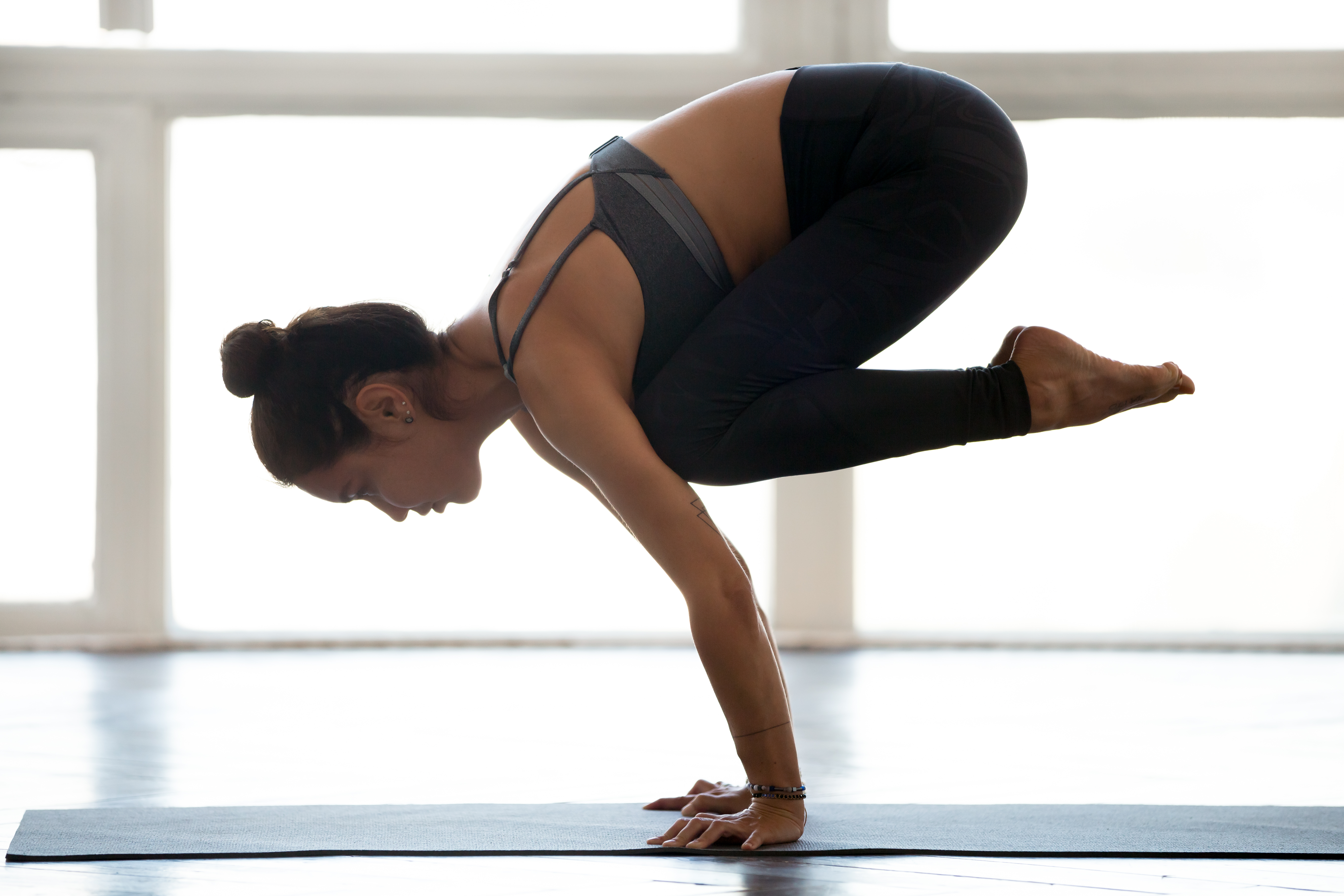
Yoga for beginners works best when you keep things slow, simple, and comfortable. You do not need to bend like a pretzel or touch your toes on day one. All you need is a soft spot on the floor and a few minutes to breathe.
This simple ten-pose guide helps you build strength, open stiff joints, and quiet a busy mind. Holding each shape for just five deep breaths can completely change how your body feels today. You will learn basic shapes that stretch your back, loosen your hips, and steady your balance.
How Do You Start Doing Yoga at Home?
Starting a home practice is easier than most people think. You do not need expensive gear or a big room. Clear a little space on your living room rug, put on soft clothes, and move with your breath.
My friend Sarah spent weeks worrying about doing poses wrong. Once she stopped trying to look perfect and focused on how her back felt, everything clicked. Listen to your body and back off if anything hurts. Sharp pain is a sign to stop, but a soft stretch means you are doing just fine.

1. Mountain Pose (Tadasana)
Mountain Pose looks like basic standing, but it sets up your alignment for every other pose. Stand with your feet hip-width apart. Spread your toes wide and press all four corners of your feet into the mat.
Stand tall and let your arms hang by your sides with your palms facing forward. Breathe in deeply as your chest lifts, then breathe out as your shoulders drop away from your ears. Stay here for five slow breaths to feel grounded and steady.
2. Child Pose (Balasana)
Child Pose is your safe resting shape. Kneel on your mat with your big toes touching and knees wide open. Sit your hips back toward your heels and slowly fold your torso forward.
Rest your forehead gently on the floor and stretch your arms out long in front of you. Take a soft breath in through your nose, letting your ribs swell. As you blow the air out, let your hips sink closer to your feet. If your tight hips make this tricky, you can read about Yoga for Neck and Shoulder Pain: 7 Gentle Poses That Help to free up your upper body first.
3. Cat and Cow Pose (Marjaryasana and Bitilasana)
This gentle movement wakes up your spine and warm up your back muscles. Come to hands and knees on the floor. Place your hands under your shoulders and your knees directly under your hips.
Breathe in as you drop your belly toward the mat, lift your chest, and look up slightly. This is Cow Pose. As you breathe out, round your back like an angry cat, tucking your chin to your chest and pulling your belly button up. Repeat this soft wave five times, matching each move to your breath.
4. Downward Facing Dog (Adho Mukha Svanasana)
Downward Dog stretches your arms, legs, and back all at the same time. From your hands and knees, tuck your toes under and lift your hips high up toward the ceiling. Your body will make an upside-down V shape.
Keep a generous bend in your knees if your legs feel tight. Press firmly into your palms and let your head hang loose between your upper arms. Take slow, even breaths as you feel your spine grow long. Check out these gentle yoga routines for flexibility to learn how simple daily practice unlocks your stiff legs over time.
5. Cobra Pose (Bhujangasana)
Cobra Pose opens your chest and strengthens your lower back. Lie flat on your stomach with your legs straight out behind you. Place your hands on the mat right under your shoulders and keep your elbows tucked close to your ribs.
Breathe in as you gently press into your hands to lift your chest off the floor. Keep your lower ribs on the mat and your neck long. Avoid pushing up too high. Focus on widening your collarbones as you take three quiet, deep breaths.
6. Tree Pose (Vrksasana)
Tree Pose builds balance and helps you focus. Stand tall in Mountain Pose and shift your weight into your left foot. Bring your right foot to rest on the inside of your left ankle or lower leg. Avoid placing your foot directly against your knee joint.
Press your hands together in front of your heart like a quiet prayer. Pick a single still point on the wall across from you to gaze at. Breathe smoothly to stay steady. If you wobble or step down, that is completely normal. Just smile, reset your foot, and try again for three to five breaths before switching sides.
7. Low Lunge (Anjaneyasana)
Low Lunge gently opens your hips and stretches your thighs. From your hands and knees, step your right foot forward between your hands. Make sure your right knee sits right over your ankle.
Lower your back knee to the floor. Rest your hands on your front thigh or sweep them up toward the ceiling. Inhale deeply to feel length in your waist, then exhale as your hips sink forward slightly. Hold for five breaths, feeling a broad stretch across the front of your left hip.
8. Seated Forward Fold (Paschimottanasana)
Seated Forward Fold calms your mind and stretches the back of your body. Sit up straight on the floor with your legs extended straight out in front of you. Flex your feet so your toes point straight up.
Breathe in as you lift your hands overhead. As you breathe out, hinge at your hips and reach your hands toward your shins, ankles, or feet. Rounding your back slightly is fine, but focus on moving your heart toward your toes. Modern research on Yoga as exercise shows that gentle stretching like this helps lower muscle tension across your entire body.
9. Reclined Pigeon Pose (Sucirandhrasana)
This floor pose unlocks tight hip joints without putting pressure on your knees. Lie on your back with your knees bent and feet flat on the floor. Cross your right ankle over your left thigh, just below the knee.
Reach your hands around your left thigh and gently pull that leg toward your chest. Keep your shoulders flat on the floor and your neck soft. You will feel a warm, sweet release deep in your right hip. Hold this gentle shape for six long, quiet breaths, then change sides.
10. Corpse Pose (Savasana)
Corpse Pose is the most important part of your yoga practice. Lie flat on your back and let your legs fall open naturally. Rest your arms alongside your body with your palms facing up toward the ceiling.
Close your eyes and let your breathing return to its normal, unhurried pace. Allow your floor to support your whole body weight. Stay completely still for three to five minutes to let your nervous system rest and absorb the benefits of your movement. Gentle Pranayama breathing patterns can be used here to settle your mind even deeper.
How Often Should a Beginner Do Yoga?
Doing ten minutes of yoga every day is much better than doing one long session a week. Your body loves consistency. Moving gently each morning or right before bed builds flexible muscles without making you sore.
Listen to your natural energy levels. Some days you might glide through all ten poses, while other days you might just do Child Pose and stretch your hips. Honor what your body asks for today. What gentle pose will you try first when you step onto your mat tonight?


Comments
Post a Comment